About Me

My photo
Writing is in my soul. And it always has been. It's something I have to do. Any writer will tell you that we are not given a choice. The words come at us, sometimes like a raging wind storm blowing in off the prairie, sometimes like a gentle rain falling in a meadow. Ignoring them is futile because stories and story ideas are relentless. They've been popping into my head since I was little. Not a day goes by that I don't think about a new story that needs to be written down. I've had a cookbook, a children's book, and three novels published, in addition to being a contributor to 17 Chicken Soup for the Soul books. I've also had more articles published than I can recall. My latest novel, The Wedding Dress Quilt was published in August of 2024. My next novel in the Waxahachie, Texas Murder Mystery series, The Mercy Quilt, will be published the end of February, 2026.

Followers

Monday, August 14, 2023

 I wrote this during the throes of the Covid-19 pandemic when riots raged across the nation. 


Hope in a Child’s Garden


We are living in very challenging times. Scary times really. We see it, we breathe it, we live it every day. We wonder if our lives will ever return to the way it was before COVID-19 bore down on us like a tsunami, before riots broke out in our streets.  I have been as concerned as everyone, worried that our lives have been changed forever. Sometimes I think that we’re living in a dream or someone’s idea of a joke, and then I remember that it’s not a dream nor a joke, but a pandemic of biblical proportions and a societal shift in our country’s future. Thousands of businesses and homes have been destroyed by the virus or by rioting. It’s enough to make you want to stick your head down a hole, and hide from the world. Will this madness never stop? Is there any chance that our lives will ever return to something even slightly similar to our previous existence? 

After witnessing something recently, something extraordinary in its simplicity, I realized that it is possible to return to what our lives were like before havoc rained down upon us. Suddenly, I grasped what I’d been missing. I found myself craving the comfort of ordinariness, of normality. It was that familiarity that I’d been missing and all it took was a group of young children to remind me that there is ordinariness all around us; all we have to do is look – it’s there. 

I was in my backyard weeding my vegetable garden when I noticed the children next door hoeing, digging, raking, and prepping a small area in their backyard. I called over the fence and asked if they were going to plant a vegetable garden, too. They replied that they had found a baby bird who had fallen out of its nest and died. They were preparing a grave for the little thing they named Birdie. A couple of hours later I was back out in the garden when the kids called over to me. They said that they had finished the grave and were about to hold a funeral service for the tiny bird; they asked me if I would join them. How could I refuse?

Each child said a few words, remarking on Birdie’s short life and how it was now in a better place. These four kids, ranging in age from five to ten years old, took it upon themselves to do something right for a small being whose life was cut short. What they did wasn’t so unusual, kids are always burying things they find and giving them funerals. What lifted my spirits was how normal their actions were. They weren’t concerned about Covid-19, they weren’t concerned about the battles raging on Capitol Hill, or mayhem in the streets, they weren’t concerned that our economic prosperity had been yanked out from beneath everyone living and breathing on this earth. No, they were more concerned with providing a fitting funeral for a life, not unlike their own, young, sweet, and innocent. It was such a normal act of kindness; it reinforced my faith in the future. 

I believe it was the five-year-old who found Birdie, though there was some disagreement on that matter. I’m not sure which child suggested they dig a grave, give it a marker with Birdie’s name, and hold a funeral service. It didn’t really matter who initiated the gesture; all the children were in agreement that it was the proper thing to do. As I watched the children, I marveled at how they took it upon themselves to do the right thing for a little being they never knew, and at that moment I saw that our future is in good hands. All around us are children who know what is just and decent. Children who think that everyone, even a tiny bird, has worth. If our youngest generation can uphold and preserve what is important, I am confident that we’re going to be fine. 

Friday, August 11, 2023


Once Upon a Snail 


I have loved to garden for as long as I’ve been alive. There’s just one problem: I have an absurd fear of a certain garden critter, the common garden snail. 


Kind of an odd phobia, don’t you think? Apparently, the first time I saw a snail as an infant I became hysterical. When I would come home after school, if I saw a snail on the walkway leading up to the house, I would run to a neighbor’s house who would call my mother. Mama would have to get rid of the slimy perpetrator and come get me. She would tell me that I was being ridiculous. While I knew I was, I couldn’t wish away the suffocating panic I felt when I saw one. I was pretty sure that I had been buried in a pit of squirming snails in a previous life. 


When I grew up and had a home of my own I realized that I had a big problem. How was I going to garden with all those frightening snails and slugs lurking in my garden? I decided that I was going to put on my big-girl panties and be adult about it. I was sure that if I set my mind to it I could deal with this phobia, couldn’t I? At first I was rather proud of myself for putting my fears aside.  Yeah, right. They still terrified me. 


When Mama was around 80 years old, she stopped by one afternoon to visit. She sat in the dining room chatting with my husband while I finished some weeding.


I was kneeling on the grass, wearing a tshirt and leggings. I stood up and out of the corner of my eye saw a leaf stuck to the side of my leg. Without looking I casually brushed it off, realizing in an instant that my fingers hit something hard. I looked down and saw a ginormous snail on the grass. A snail the size of a turnip (well, maybe a radish) had been crawling up my leg! I let out a primordial scream, so loud that I’m sure people heard me in the next county. And I didn’t scream just once, I screamed repeatedly. My husband ran out onto the back deck followed by my slow-moving mother. 


Mama called out, “What’s wrong, honey?” I couldn’t answer, my voice box had frozen and I was paralyzed. All I could do was point at the grass with a shaky hand. Mama carefully walked down the deck stairs to see what I was pointing at. When she saw the snail, she bellowed -- “Oh for goodness sake! Are you still scared of snails? You’re over 50 years old!” I couldn’t say anything. I just kept pointing to the snail, my whole arm trembling. Laughing, my husband picked up the snail and pitched it over the fence. Only then could I move. Sheepishly I helped my mother up the deck stairs and into the house. 


Was I embarrassed? You bet. Mama was right, it was due time that I got over my snail neurosis, but I couldn’t. Not then, not now. And while I can’t change my ways I have come up with methods to deal with them and keep gardening. 


These days I keep a supply of snail-killing pellets in the shed. About once a month I spread the stuff around like it’s garlic to keep away vampires. It pretty much controls the snail population, though every once in a while a bold individual makes it past the pellets. Like yesterday, I spied a snail slithering up a wall of the house. I sucked in a big breath, steadied myself and used my shoe to knock him down where he landed on his back. His slimy body retracted into the shell. “Ah-ha! Got you now,” I sneered at him. I picked up a large, flat stone, dropped it on top of him and pressed it hard into the ground, confident that I’d imprisoned him for what little life he had left. I dusted off my hands, quite pleased that I didn’t scream and crater into a sea of nerves. Yep, I sure got this phobia thing licked. Well, maybe not. Though Mama passed away many years ago, I thought I heard her laughing from beyond.


Monday, August 7, 2023


 Old Graveyards


Though it's still hotter than Hades here in Texas, I am already dreaming of autumn and my favorite month. Perhaps it's a mental tactic wishing the temps to drop. Maybe this year the weather gods will listen.

Every October my childhood comes calling, not just because it’s Halloween and the time of ghosts and goblins knocking on the door. It also comes right before the unofficial Mexican holiday
 of Dia de los Muertos, when the long-dead rise from their graves to celebrate with their living relatives. I love the idea of being reunited with my loved ones, long passed, for a few hours. 

I have always been fascinated by old graveyards. It probably began as a kid. My grade school was in a part of town that overlooked San Diego’s Old Town, the oldest settlement in California. It was built right smack dab next to a graveyard that primarily held the remains of people who lived in the 19th century. The graveyard sat butted up against a dirt playground where we played softball. Only a small adobe wall separated us from the graves. For the most part, we ignored the old graveyard until the inevitable, which usually fell on my shoulders. A hitter on the opposing team would slam a ball high left, over the crumbling adobe wall, and into the graveyard. I was usually the one to run after the ball, as left field always seemed to be where I was assigned to play. I would run through the graveyard gate to hunt for the ball and I’d often get distracted by the gravestones. They were old, ancient in my child’s mind. Imagination often ran wild as I envisioned the people buried under my feet. The first few times I was terrified, afraid that something would rise up out of a grave and whisk me off to the netherworld. Meanwhile, my teammates would be yelling at me to just get the darn ball and throw it over the wall. Their screaming usually knocked me back to my senses to just pick up the ball and get out of there as quickly as possible.

As kids often do, they dare each other to do something really scary or really stupid or both. The big dare in my neighborhood was to meet up in the graveyard at midnight and if you wouldn’t do it, your reluctance proved you were a scaredy cat, a moniker no kid wanted attached to their name. I don’t know of anyone who ever took the dare, because honestly, what eight or ten-year-old kid is going to be able to sneak out of the house near midnight without their parents knowing? Or would want to?

I’m pretty sure that’s when the allure of old graveyards began. Whenever I see an old graveyard, if time allows, I am compelled to stop and walk through the last remnants of lives long past. My fear dissipated years ago; I now find them a source of history. Several years ago, when visiting Boston, I walked through Granary Burying Ground, an old cemetery that’s the final resting place of many of America’s earliest patriots, such as Samuel Adams, John Hancock, Robert Treat Paine, and Paul Revere. My favorite grave belongs to Elizabeth Foster Goose, a woman known to tell stories, rhymes, and songs to local children. You would know her better as Mother Goose.

Mostly though, it’s the graveyards of the Old West that capture my imagination. In San Diego’s Old Town is one of the oldest, if not the oldest graveyard in the state, El Campo Santo Cemetery. It’s not just old, it’s well-documented to be haunted and is a regular stop on the ghost tour. Though El Campo Santo is a historical landmark, its status doesn’t deter the spirits. Hauntings and sightings regularly occur in and around the cemetery.

The one next to my school where the wind would sigh through the old pepper trees was known as Calvary Cemetery. The first grave dates to the 1870s. These days my childhood graveyard is called Pioneer Park. The graveyard is now gone and has been replaced by a small row of intact headstones in a back corner, that serves as a memorial to those buried at the park. Throughout the now pretty grassy grounds children play, people walk and toss frisbees to their dogs, and in the summer, neighborhood residents lay out blankets to listen to music on a stage and picnic with family and friends. It’s a rather surreal experience. Because, you see, the bodies are still buried there. Folks are eating and reveling on top of old graves. Unless the people are familiar with the history, they don’t know that. The young new residents of the neighborhood think it’s just a pretty park, which it is. The curious, however, can read a plaque with the names of the 1,800+ bodies interred below, although it’s been rumored that there may be up to 4,000 bodies buried there. Though an occasional ghost is seen walking through the park at night, the visitors are benign. Hmm. I’m thinking that maybe they like the music and the presence of children frolicking above. Kind of like celebrating Dia de los Muertos all summer long.


Friday, August 4, 2023


Limoncello - the Divine Taste of Italy


On our recent wedding anniversary hubby and I dined in a wonderful little restaurant and ordered a slice of Limoncello cake to finish off the meal. One bite and I seriously thought I'd died and been transported through the Pearly Gates. I decided right then and there that I was going to make a batch of Limoncello and ultimately, that divine cake. Never mind that I had no idea how to make Limoncello; I figured that was a minor detail.


If you've never tasted Limoncello, it's a classic Italian liqueur with a distinctive lemon flavor. As my first foray into making Limoncello can attest, it’s ridiculously easy to make. You infuse lemon peel in pure alcohol (vodka works great) for several days and then combine it with a simple sugar syrup. The infusion results in a gorgeous yellow liqueur perfectly balanced with both the sweetness and the tartness of the lemon. You can sip it straight, or over ice with a splash of carbonated water, or combined in a cocktail. There is no wrong way to drink limoncello. And I might add, it's the perfect summertime drink. Ready to give it a try?


10 large lemons, scrubbed well
1 750-ml bottle of vodka
2 and 1/2 cups of water
2 and 1/2 cups of sugar


Using a zester, remove all the yellow peel off the lemons into a very large jar, or bowl. If you don't have a zester, use a very sharp knife being careful not to remove any of the white bitter pith. If you do, dig it out and discard the pith. Pour the bottle of vodka over the zest, stir, cover, and set aside at room temperature for 4-7 days. I set mine aside for four days and it turned out fine.


On the 4th or 5th day, pour the water and sugar into a pot, stir, and bring to a boil on the stove. Boil for 2-3 minutes until the sugar completely dissolves. Let it cool completely down to room temperature. When it's cool pour the vodka and lemon zest into the pot or pour the sugar syrup into the vodka/zest jar, stir, and set it aside for 12 or so hours.


The next day, set a fine mesh strainer or a funnel lined with a coffee filter over the bottle you want to use to store the limoncello. As you can see from the photo, I made enough for several bottles of different sizes. Discard the lemon zest. Cap and seal the bottles and set them in the fridge to keep them cool.


You can also store limoncello to give away as gifts at the holidays. I can assure you that mine won't last that long.


Salut, Salud, To Your Health!

Thursday, August 3, 2023


No Appetite


I grew up along the California coast, where canyons were as common as the waves crashing on the shore. There was a really big canyon across the street from our house, full of eucalyptus trees, shrubs of every kind, fragrant flowers, and a lot of flora. Some fauna too, but most of them avoided my brother and I as we scurried through the canyon playing after school. 

I don’t recall that we actually told our mother where we would be playing outside, and she didn’t ask, so we assumed it was okay. Until it wasn’t.


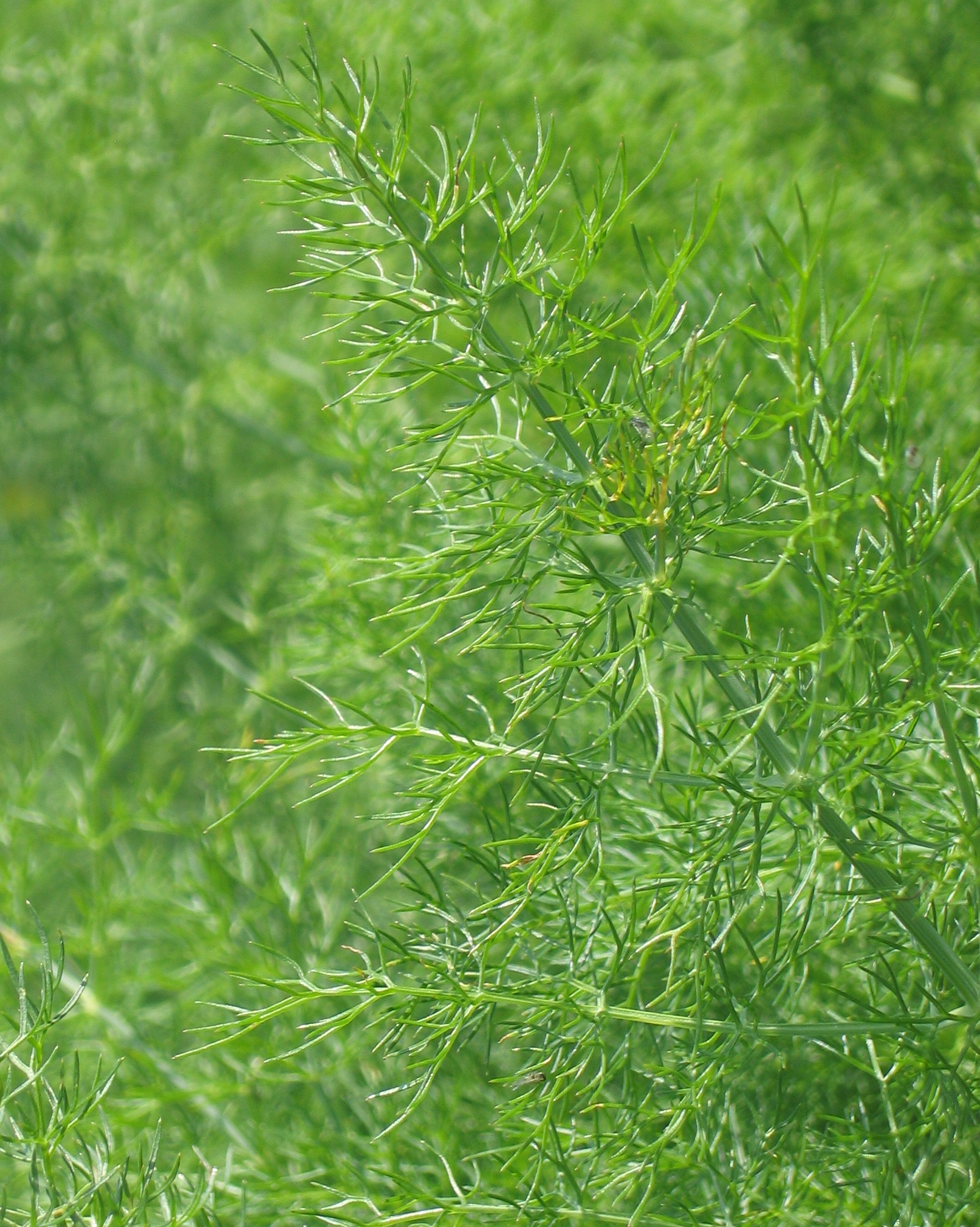
One afternoon we found a very green plant with feathery stalks. It wasn’t like any of the other plants, which made us very curious. Joey snapped off a bit of a feathery stalk and brought it up to his nose. I watched his eyes light up, like he’d found a secret stash of gold.


“What is it?” I asked, leaning in to get a whiff.


“It’s a licorice plant,” he yelped, thrusting the feathery leaves under my nose. I breathed in one huge sniff and felt shivers run down my arms. It really was a licorice plant. I never knew how licorice was made, nor had I ever thought about it. What I did know was that licorice was one of my favorite candies, and we’d just found the motherlode. We started eating as much of the plant as we could until we figured we better leave some room for dinner. As the light began to wane, we returned home, never mentioning what we’d found.


Nearly every day after school we ventured back into the canyon to find new licorice plants and treat ourselves to an afternoon snack. On one particular day, for a reason I can’t recall, we devoured more of the licorice plant than usual. We stuffed ourselves and slowly slogged home. At dinner that night we didn’t eat much. 


“Why aren't you two eating your dinner?” Mama asked.


We shrugged. “Not hungry,” Joey answered.


“Why not?” she prodded. “You’re always hungry. Did you two eat something and spoil your appetite?”


My brother and I glanced at each other, as though to signal who should answer, because not answering was never okay in our house. He blinked and raised his chin at me, and I knew I had to be the answerer.


“Yes, Mama, we did,” I said in as sweet and innocent of a voice as I could muster, blinking my eyes slowly, my eyes wide open. Though the eye blink and that voice had saved my derriere multiple times, I could see from Mama’s face that my tactics weren’t going to work this time.


She sat up straighter in her chair and stared me down. “What did you eat?”


I rolled my lips inward and glanced around me, stalling for time.


“Answer your mother,” Daddy interjected, his voice stern and business-like.


I looked at him, then back at Mama. “Licorice,” I stated.


“And where did you get licorice, young lady?"

I looked back at my brother, wondering when he was going to chime in or if he was going to let me take all the blame. Suddenly, he piped up.


“We ate it in the canyon,” he volunteered as if it was obvious.


“The canyon?” Mama’s voice rose a notch. “First, what were you two doing in the canyon, and what licorice did you find there?”


My brother and I looked at each other again. We knew we were in trouble.


“We were just walking around,” Joey answered. “And we saw this cool plant with feathery stalks that smelled really good.”


“What does a plant have to do with eating licorice?” Daddy asked, this time his voice a little harsher.


Joey looked at me and I instinctually said, "It was a licorice plant, Daddy!’ 


Daddy and Mama bent their heads, their eyes bulging out as they asked, "What?”


“Licorice doesn’t grow on plants,” Mama stated, mirroring Daddy’s firm tone.


“Yes, it does, sort of,” I said. “The plant tastes just like licorice.”


My parents sat there shaking their heads.


“David,” Mama addressed our father, “will you please go into the canyon tomorrow with these two and see this licorice plant they’re talking about?” She turned to Joey and I. "First, you two are not allowed to go into the canyon alone, ever! Second, tomorrow, you show your father the plant. It could be a dangerous plant. It could be poisonous.”


I don’t recall if it was Joey or I who remarked, “If it was poisonous, wouldn’t we be dead?” Didn’t matter who said it, we were sent to bed immediately. Snarky talking-back was not tolerated in our house.


The next day, we led our father into the canyon and showed him the dozens of feathery licorice plants growing everywhere. We broke off little bits of the feathery leaves and held them up to Daddy to smell. Very gingerly, he bit into the tiny leaves. We watched as his face lit up.


“Kids, I don’t think this plant is poisonous. You’re lucky it’s not. Even so, from here on out you are forbidden from playing, walking, or visiting the canyon. It’s not safe.”


“Why not?” I asked. 


“For one thing, sometimes bad people hide out in the canyons. People who might try to harm you,” he cautioned us, his voice calm and caring.


“We’ve never seen anybody in the canyon,” Joey protested, trying to hang onto our little piece of paradise.


“That’s my point,” Daddy said. “If someone kidnapped you or hurt you, we’d never know. No one would have seen it. And there’s another danger you haven’t considered.”


Joey and I stared at Daddy. What else could there be?


“Snakes, there are a lot of rattlesnakes living in this canyon.”


I’m pretty sure I shrieked and my face went white. It didn’t seem to faze Joey, but then he was eight years old, older and tougher than me. 


Seeing the fear in my eyes, Daddy said, “Now do you understand why your mother and I don’t want you in the canyon?” We nodded. “Good, then let’s go home and tell your mother that you won’t be coming down here anymore.” He took our hands and led us up and out, and across the street to our house. 


I never did step foot in that canyon or any other canyon ever again. I can’t speak for Joey, he was such a boy, he might have. 


Many years later, when I became an adult and was buying plants at a nursery for my garden, I saw an herb that looked just like the licorice plants in that long-ago canyon. I nipped off a bit and snuck it into my mouth just as a nursery worker walked up to me.


“That’s fennel,” he said, pinching off a bit and putting it in his mouth.”Tastes like licorice, doesn’t it?”


All I could do was smile because indeed it did. 


Tuesday, August 1, 2023

Bugged Out     


When we moved into our Texas home a few years ago we considered ourselves fortunate to be able to buy a home with more room than we’d ever had in our married life. Just as important was the big backyard full of towering, old trees and a nice back porch. Every morning we rose early and drank coffee on our porch and in the eves returned to sip on wine and watch the day end as the birds flitted from tree to tree. It seemed like heaven, until it wasn’t. 

We both began to notice lots of bites on our legs and arms. One particular morning my husband counted 50 bright red bug bites on each leg. I had quite a few as well, though not nearly as many as he did. We couldn’t figure it out. No matter that we hadn’t seen a single mosquito, something was biting us. My sister paid us a visit, looked at our bites and said, “Oh, those are no-see-um bites.”

“What’s a no-see-um?” I asked.

She grinned. “Just what it sounds like, it’s a bug you can’t see. And they have a nasty bite.”

I’d never heard of such a thing and told her so. 

“Google it,” was her response. 

So, of course, I did and she was right, I found a lot of info on the darn bugs. The articles said that the only recourse was to use Deet. I really didn’t want to apply Deet every time I wanted to sit on the porch or work in the garden and decided I would find a natural way to keep the nasties away. 

I thought that maybe the cracked, non-working fountain near the porch that held some stagnant water might have been where the bugs were hiding. We moved it to a shed and still the bugs bit. Next, I put a big citronella plant near where we sat. It was no help at all. I tried wearing non-Deet, herbal bracelets. Not one of my more brilliant ideas; they proved useless. All summer long I tried one thing after another; all my efforts resulted in more and more bites. Our only recourse was to drink coffee and wine indoors and watch the birds through the kitchen window.  

Finally, cooler temperatures arrived. The bugs headed south or wherever they go for the winter. Once again we could sit on the porch, bundled up, memories of biting bugs long gone. 

In early spring I had a new idea – I’d read that certain herbs would repel biting bugs. As soon as we could work the soil, I yanked out all the lantanas growing next to the porch. I was sorry to see them go but if I had to sacrifice them for a bug-free zone, so be it. I replaced the lantanas with lemon balm and lavender and mint and basil and catnip and a half dozen other herbs that were supposed to deter the bugs. When I told my sister what I’d done she laughed and laughed and said, “You’re so cute. Herbs aren’t going to keep away the bugs. Just use Deet.”

I wasn’t ready to give up and told her so. She shrugged and said, “Well, good luck with that. Keep plenty of topical itch medicine around.” 

Turned out that my sister was right, again. The herbs didn’t help one bit and on top of that, something was eating the herbs! Not snails, had already decimated that bad boy population, so I applied Sevin dust everywhere. It took awhile and finally whatever was eating the herbs stopped their noshing. Meanwhile, summer arrived and those darn no-see-ums returned with a vengeance, dining on us like it was harvest time. I knew I had to up my game. 

I visited my local big-box hardware store looking for something that would annihilate what I couldn’t see. And there it was – an outside light fixture. The bulbs would attract bugs and as soon as they got close to the purple light it would zap the livin’ daylights out of them. Now we’re talkin! From the first day that hubby installed the fixture, it began working its magic. So you must be wondering, are we finally bite-free? Uh, no, but it is better. And to be honest, we use Deet when we sit on the back porch, just in case. 


Famous and Celebrity Dogs


I have never been awed by celebrities of any kind. Well, except for dog celebrities. That's because they don’t know that they’re celebrities, at least I don’t think they’re aware of their fame. They don’t act like humans do when they achieve celebrity status. Dogs just stay dogs.  This got me thinking --  how long have celebrity pets been a thing? Of course, curious me, I had to do a little research. I discovered that the first presidential celebrity dog in the White House was Laddie Boy, an Airedale terrier, owned by Warren Harding. Even though he wasn’t a popular president, his dog sure was. Laddie Boy is considered the media’s first presidential pet darling of the news outlets. The media may not have treated Harding kindly in their reporting, but Laddie Boy made up for it. The press loved him. 

The most famous German Shepard in history is probably Rin Tin Tin. He was saved and adopted by an American soldier, Lee Duncan, who was serving in France during World War I. Duncan took the dog to his home in Los Angeles, where he would have lived a pretty ordinary life had a Hollywood filmmaker not seen him jumping 12 feet in the air. The filmmaker hired Rinty and his owner to star in a movie. Considered a natural he went on to star in over 30 Hollywood movies and became the unofficial mascot of Warner Bros Studios. 

Rin Tin Tin wasn’t the only dog to steal filmgoers’ hearts. Lassie, and Toto of the Wizard of Oz did a pretty good job at it, too. Lassie, who was played by a male dog named Pal, was reportedly paid more than his co-star, Elizabeth Taylor. Never mind that Lassie, the character, was supposed to be a female, On screen it didn’t matter. Several dogs played Lassie throughout the years, all of whom were descendants of the original Lassie. Talk about a Hollywood dynasty!

And then there are the hero dogs, like Balto, who lead a huge dog sled team in 1925. Diphtheria was running rampant in Nome, Alaska during one of the harshest winters on record. The frozen ocean separated the town from the rest of the world for seven months. Aviation was not an option and only dogsledding could save the town. A group of 20 men and 150 dogs forged across the frozen wilderness in temperatures of 60 degrees below zero for 674 miles to deliver the antitoxin serum.  

More recently, is the story of Lex, a bomb-sniffing military dog taken to Fallujah, Iraq, with his handler, USMC Cpl. Dustin J. Lee. During a rocket-propelled grenade attack that killed Lee, Lex was wounded and despite his injuries, refused to leave Cpl. Lee’s side. He had to be dragged away to be treated by medics. Lex was the first active-duty working military dog granted early retirement so that he could be adopted by Cpl. Lee’s parents, Jerome and Rachel Lee of Quitman, Mississippi. Despite mobility issues caused by 50 pieces of shrapnel still lodged in his body incurred during his military service, Lex worked as a therapy dog visiting veterans at VA hospitals and retirement homes. In 2008 he was awarded a Purple Heart and was he was named the American Kennel Club Law Enforcement Dog of the Year.

Finally, there’s Sinbad, a mixed-breed canine sailor who served as a mascot aboard the US Coast Guard Cutter George W. Campbell during WWII. Sinbad was originally intended as a gift for a sailor's girlfriend who was unable to keep the dog, so the sailor snuck him on board that night. The sailors and the ship’s captain bonded quickly with Sinbad and he was officially enlisted, with a paw print signature on his enlistment papers. He was given his own service, Red Cross and service IDs, and his own bunk. After serving as Dog 1st Class for six years, he was promoted to Chief Dog. Sinbad had a uniform and a service record that recorded his 11 years of sea duty, including combat in WWII. During one battle in 1943, the ship was damaged and all but essential personnel were ordered off the ship while it was towed for repair. Sinbad was one of the few who stayed on board. The crew believed that as long as Sinbad was on board, the USS Campbell was unsinkable. The ship never sank. It was retired after a 46-year career that included serving in the Korean and Viet Nam wars. Sinbad was awarded the American Defense Service Medal, the American Campaign Medal, the European-African-Middle Eastern Campaign Medal, the Asiatic-Pacific Campaign Medal, a World War II Victory Medal, and the Navy Occupation Service Medal.